
Traffic cones are one of the most commonly used road safety products for controlling traffic, marking hazards, guiding vehicles, and creating safer working areas. They are widely used on roads, highways, parking areas, construction sites, industrial premises, residential societies, and commercial spaces.
A properly designed traffic cone provides a highly visible temporary barrier that helps drivers and pedestrians identify restricted or potentially dangerous areas. Reflective bands can further improve visibility, particularly during nighttime and low-light conditions.
In this guide, we will explain what traffic cones are, their types, uses, benefits, and the important factors to consider when choosing the right traffic cone for your requirements.
What Are Traffic Cones?
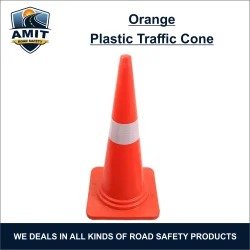
Traffic cones are portable road safety devices used to temporarily mark, separate, or restrict specific areas. They are generally made from durable materials such as PVC or other flexible plastics and usually have a broad weighted base for improved stability.
Traffic cones are available in different sizes, colors, and designs depending on their intended application. Many road safety cones include reflective strips to increase visibility in low-light environments.
They can be placed and removed easily, making them suitable for temporary traffic management and safety applications.
Why Are Traffic Cones Important for Road Safety?
Traffic cones help communicate temporary changes in road conditions to drivers and pedestrians.
They can be used to:
- Mark roadwork and construction areas
- Guide vehicles around obstacles
- Separate traffic from work zones
- Restrict access to specific areas
- Mark parking and loading zones
- Identify hazards or damaged road surfaces
- Guide pedestrians around temporary obstructions
- Improve visibility around temporary work areas
Because traffic cones are portable and highly visible, they are an important part of temporary traffic management systems.
Types of Traffic Cones
Different applications require different types of traffic cones. Choosing the appropriate type depends on factors such as location, traffic conditions, visibility requirements, and the duration of use.
1. Standard Traffic Cones
Standard traffic cones are commonly used for general-purpose traffic management.
They can be used in:
- Parking areas
- Roads
- Schools
- Residential societies
- Commercial premises
- Events
- Temporary work zones
Their simple and portable design makes them suitable for everyday safety applications.
2. Reflective Traffic Cones
Reflective traffic cones feature reflective bands or strips that help improve visibility when illuminated by vehicle headlights.
They are particularly useful for:
- Nighttime roadwork
- Highways
- Construction zones
- Parking areas
- Industrial facilities
- Low-light environments
For locations where visibility is important, reflective traffic cones can provide an additional visual warning to approaching road users.
3. Heavy-Duty Traffic Cones
Heavy-duty traffic cones are designed for applications where additional stability and durability are required.
They are suitable for areas exposed to:
- High vehicle movement
- Wind
- Frequent handling
- Construction activities
- Industrial operations
A heavier base can help reduce the possibility of the cone being displaced during normal use.
4. PVC Traffic Cones
PVC traffic cones are widely used because they can offer flexibility, durability, and visibility.
Their applications include temporary traffic management, parking control, construction areas, and industrial safety zones.
When selecting PVC traffic cones, buyers should consider material quality, cone height, base stability, reflective features, and the intended operating environment.
5. Collapsible or Portable Traffic Cones
Collapsible traffic cones are designed for easy storage and transportation.
They can be useful for:
- Emergency vehicles
- Roadside assistance
- Temporary parking control
- Vehicle breakdown situations
- Mobile safety teams
- Maintenance work
Their compact design makes them convenient when traffic safety equipment needs to be transported frequently.
Common Uses of Traffic Cones
Traffic cones have a wide range of applications across road and workplace environments.
Road Construction and Maintenance
Traffic cones are frequently used around road construction and maintenance areas to alert drivers and guide them safely around temporary work zones.
They can help create a visible boundary between moving traffic and workers.
Highway Traffic Management
On highways and major roads, traffic cones can be used to mark temporary lanes, roadwork areas, obstacles, and restricted sections.
High-visibility cones with reflective features are especially useful where traffic moves at higher speeds or where visibility conditions can change.
Parking Areas
Traffic cones are commonly used in parking facilities to temporarily reserve spaces, guide vehicles, restrict access, and mark maintenance areas.
They can also help organize vehicle movement within busy parking spaces.
Construction Sites
Construction sites often contain temporary hazards such as excavated areas, machinery, materials, and restricted zones.
Traffic cones can help visually identify these areas and direct people and vehicles away from temporary hazards.
Industrial Premises
Factories, warehouses, logistics facilities, and other industrial locations can use traffic cones to mark temporary work areas, vehicle routes, maintenance zones, and restricted sections.
Events and Public Areas
Traffic cones can help organize vehicle and pedestrian movement during events, exhibitions, public gatherings, and temporary activities.
They can be placed around restricted areas or used to guide traffic through designated routes.
Benefits of Traffic Cones
Using appropriate traffic cones can provide several practical benefits.
1. High Visibility
Brightly colored cones are easy to recognize and can provide a clear visual warning to drivers and pedestrians.
Reflective bands can further improve visibility in low-light conditions.
2. Easy to Install
Traffic cones do not require permanent installation. They can be placed, moved, and removed according to changing traffic or work requirements.
3. Portable Design
Their portable construction allows safety teams to quickly deploy them wherever temporary traffic control is required.
4. Versatile Applications
Traffic cones can be used across roads, parking areas, construction sites, industrial premises, residential societies, and commercial spaces.
5. Temporary Traffic Control
Unlike permanent road barriers, traffic cones provide a flexible way to manage temporary changes in vehicle and pedestrian movement.
6. Improved Work-Zone Visibility
When positioned correctly, traffic cones can help make temporary work areas more noticeable to approaching road users.
How to Choose the Right Traffic Cone?
Selecting the right traffic cone requires consideration of several factors.
Cone Height
Traffic cones are available in different heights. The appropriate height depends on where the cone will be used and how visible it needs to be.
For larger roads and work zones, a taller and more visible cone may be appropriate, while smaller cones can be useful for controlled areas and indoor applications.
Base Stability
The base plays an important role in keeping a traffic cone upright.
For outdoor locations, choose cones with a stable and sufficiently weighted base suitable for the expected conditions.
Reflective Bands
If cones will be used at night or in low-light environments, reflective bands can help improve their visibility when illuminated by vehicle headlights.
Material Quality
Choose traffic cones made from durable materials that can withstand regular handling and the conditions of their intended application.
Color and Visibility
High-visibility colors make traffic cones easier to identify from a distance. The color should remain clearly visible under the expected environmental conditions.
Application
Consider where the traffic cone will be used before purchasing.
For example:
- Roads and highways: prioritize visibility and stability.
- Construction sites: consider durability and reflective features.
- Parking areas: portability and visibility may be important.
- Industrial premises: consider stability and frequent handling.
- Indoor areas: compact and lightweight options may be suitable.
Traffic Cones for Day and Night Use
Traffic safety requirements can change depending on lighting conditions.
During the daytime, the bright color of a traffic cone provides its primary visual warning. At night, reflective bands can help the cone become more noticeable when vehicle headlights illuminate it.
For applications involving nighttime roadwork or areas with limited lighting, selecting traffic cones with appropriate reflective features can be an important consideration.
Traffic Cones vs Other Road Safety Products
Traffic cones are generally used for temporary traffic management, but they are only one part of a broader road safety system.
Depending on the application, traffic cones may be used together with:
- Road safety signages
- Delineators
- Road studs
- Rubber speed breakers
- Wheel stoppers
- Barricades
- Other traffic management products
Using the appropriate combination of road safety products can help create clearer traffic guidance and improve safety around temporary or controlled areas.
Where Can Traffic Cones Be Used?
Traffic cones are suitable for a variety of locations, including:
- Highways
- City roads
- Construction sites
- Parking lots
- Residential societies
- Schools and institutions
- Industrial premises
- Warehouses
- Commercial properties
- Events and public spaces
- Road maintenance areas
Their portability makes them particularly useful when traffic arrangements need to be changed regularly.
Maintenance and Storage of Traffic Cones
Proper storage and maintenance can help extend the usable life of traffic cones.
Keep the cones clean and remove dirt or materials that may reduce their visibility. Inspect them periodically for cracks, damaged bases, faded surfaces, or damaged reflective strips.
When not in use, store traffic cones in a suitable location where they are protected from unnecessary damage and can be easily accessed when required.
Why Choose Quality Traffic Cones?
Road safety products are used in environments where visibility, durability, and reliability matter.
Low-quality cones may become damaged, lose their visibility, or become unstable with repeated use. Choosing properly manufactured traffic cones can provide better performance for the intended application.
When purchasing traffic cones, consider:
- Material quality
- Overall construction
- Base stability
- Visibility
- Reflective features
- Size and height
- Intended application
- Durability
- Quantity requirements
Conclusion
Traffic cones are a practical and versatile solution for temporary traffic management and safety control. From highways and road construction sites to parking areas, industrial premises, and residential societies, they help identify temporary hazards, guide vehicles, and organize movement.
The right traffic cone depends on factors such as height, material, base stability, visibility, reflective features, and application. For nighttime or low-light environments, reflective traffic cones can provide additional visibility.
At Amit Road Safety, we focus on providing reliable road safety products designed for practical traffic management and safety requirements. Choosing the right traffic safety equipment can help create better-organized and more visible work and traffic zones.
Frequently Asked Questions About Traffic Cones
What are traffic cones used for?
Traffic cones are used to guide traffic, mark temporary hazards, restrict access, separate work areas, organize parking, and improve visibility around temporary safety zones.
Which traffic cones are best for night use?
Traffic cones with reflective bands are commonly used for nighttime and low-light applications because the reflective material can improve visibility when illuminated by vehicle headlights.
Where are traffic cones commonly used?
Traffic cones are commonly used on roads, highways, construction sites, parking areas, industrial premises, residential societies, commercial spaces, and event locations.
Are traffic cones suitable for highways?
Traffic cones can be used for highway traffic management when the selected cones are appropriate for the specific application and are positioned according to applicable traffic-management requirements.
What should I consider when buying traffic cones?
Consider the cone’s height, material, base stability, visibility, reflective features, durability, and the environment where it will be used.
Are reflective traffic cones better for road safety?
Reflective traffic cones can provide improved visibility in low-light conditions. Their suitability depends on the specific road or work-zone application and the overall traffic-management setup.
Amit Road Safety offers a range of road safety products designed to support safer and more organized traffic environments across different applications.
Visit Official Website
Explore Products
Follow US For Daily Update
https://www.instagram.com/amitroadsafety
https://www.youtube.com/@amit_roadsafety
https://www.linkedin.com/in/amitroadsafety